Gaël Faye
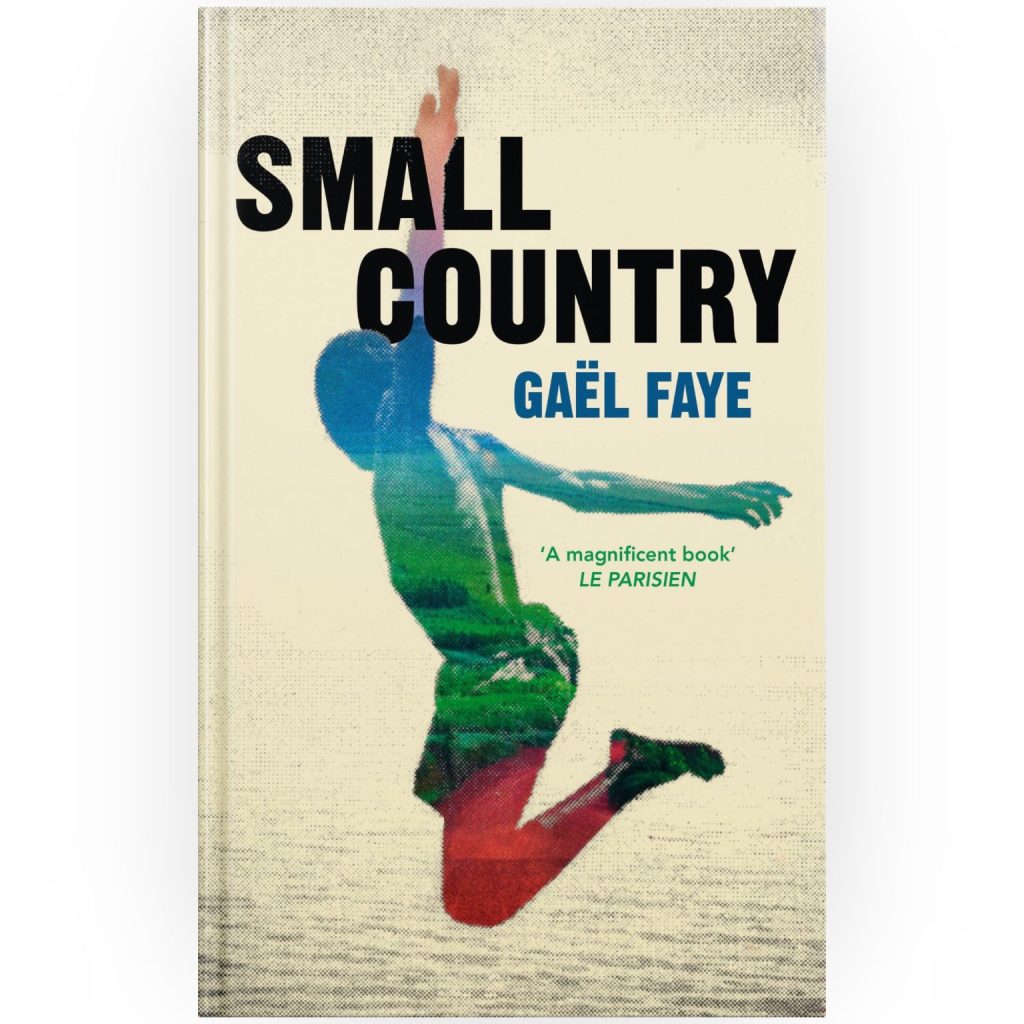
Small Country
This novel brought me to tears! A touching and beautifully written semi-autobiographic story about a boy’s upbringing in Burundi during the Rwandan genocide and Burundi civil war written from his perspective. He recounts how his idyllic childhood with his Rwandan mother and French father is uprooted by the political developments in Burundi and Rwanda that leave his mother traumatized from the atrocities of the genocide and his neighborhood entrenched with ethnic tensions and clashes until he gets sent to France. Much later only, he is able to process the effect history had on his coming-of-age and family dynamics.
“I really don’t know how this story began.
Papa tried explaining it to us one day in the pick-up truck.
‘In Burundi, you see, it’s like in Rwanda. There are three different ethnic groups. The Hutu form the biggest group, and they’re short with wide noses.’
‘Like Donation?’ I asked.
‘No, he’s from Zaire, that’s different. Like our cook, Prothé, for instance. There are also the Two pygmies. But we won’t worry about them, there are so few they hardly count. And then there are the Tutsi, like your mother. The Tutsi make up a much smaller group than the Hutu, they’re tall and skinny with long noses and you can never tell what’s going on inside their heads. Take you, Gabriel,’ he said, pointing at me, ‘you’re a proper Tutsi: we can never tell what you’re thinking.’
I had no idea what I was thinking, either. What was anyone supposed to make of all that? So I asked a question instead:
‘The way between Tutsi and Hutus… is it because they don’t have the same land?’
‘No , they have the same country.’
‘So… they don’t have the same language?’
‘No, they speak the same language.’
‘So, they don’t have the same God?’
‘No, they have the same God.’
‘So… why are they at war?’
‘Because they don’t have the same nose.”
And that was the end of the discussion. It was all very odd. I’m not sure whether Papa really understood it, either.”
 Maria Knodt